[An edited version of this post was published yesterday in the QTU campus newspaper, The Diamondback. Like all authors, I prefer the unedited version, so I’ll exercise my blogger’s right to do it my way, with links, right here in my own little corner of the non-peer-reviewed and gatekeeper-free Interwebz. I was motivated to write the column in part because The Diamondback published an article last week in which leaders of the campus undergraduate LGBT organization announced that it wasn’t taking a position on a measure that would extend the right of civil marriage to same-sex couples in Turtle Country because “there are differing opinions on marriage, and we don’t want to invalidate one person’s stance.” And because “Queer relationships are not recognized even if gay marriage does become legalized.” True, I thought, but, oh, boy, this is what we get for teaching the children all that trouble with normal stuff. A little knowledge can be a tricky thing. So I sat down at ye olde laptop and banged out a cranky old queer reply. See what you think. I’ve got a busy day on tap — There’s a civil rights battle to be won here, darlings, and apparently I’m helping to lead the charge. Peace out.]
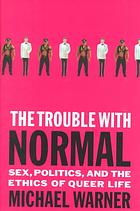 I have lived happily in a state of unlicensed love with a same-sex partner for more than twenty-eight years. She and I have been fortunate in that we’ve never needed marriage to give us access to health insurance. We were both born in this country, so we also didn’t need marriage to ensure our rights to live and work here. When we reached middle age and realized we needed to give some thought to long-term planning, we could afford to hire an attorney to draw up wills to give our relationship protections similar to those enjoyed (for free) by married couples.
We haven’t needed marriage, and in many ways we didn’t want it. Indeed, you might say that we hated marriage before hating marriage was cool, though we are not really the hating types. As feminists, however, we have tended to view marriage skeptically, as an institution that oppressed women and shored up the social and economic powers of patriarchy and heterosexuality. We were proud of having built a secure, loving, mutually supportive relationship that was in many respects like a marriage yet remained outside the institution. Years before queer critics of marriage railed against the unfairness of forcing couples to marry in order to prove their worth or secure a set of rights and benefits that ought not be tied to relationship status, my partner and I were happy to sing along with Joni Mitchell that, “We don’t need no piece of paper/From the city hall/Keeping us tied and true” (“My Old Man”).
That’s what I mean when I say I am a Terp against marriage, much as I respect particular marriages and anyone’s desire to be married. Now let me tell you what I mean when I say I am a Terp against marriage who is also emphatically for marriage equality.
Marriage equality is a matter of civil rights, plain and simple, and as such I am committed to fighting for it, heart and soul, without a shred of doubt or ambivalence. If the state is going to be in the business of licensing relationships, then it cannot discriminate against same-sex couples that want to be civilly married. To do so is to set up classes of citizens and to engage in sex discrimination, which are in my judgment both abhorrent and unconstitutional. I may not want to be married, but that is my business and my decision. Legally, however, I should have the same right other citizens have to marry whomever I choose. The state should not deny me the right it extends to others. Grant me the right, and I will decide whether or not to exercise it. That is called freedom, and LGBT citizens cannot be denied the same freedom that non-LGBT citizens enjoy.
In a few weeks, Maryland voters will be called upon to uphold or reject the Civil Marriage Protection Act, which would extend the right of civil marriage to same-sex couples and protect the rights of clergy not to perform marriage ceremonies in violation of their religious beliefs. If the law is upheld by an affirmative vote on Question 6, Maryland would be the first state in the nation to approve the right to same-sex marriage through a popular vote. (Three other states – Maine, Minnesota, and Washington – will vote on similar measures on Nov. 6, but polls close first in Maryland, which is why we have a shot at being the first in the nation to win on marriage equality at the ballot box.)
I am opposed to subjecting the rights of minority groups to a popular vote. It violates my sense of fairness and a core conviction that rights are, as the authors of the Declaration of Independence put it, unalienable. They cannot be granted or taken away because they are part of our equipment as human beings and as citizens.
Nonetheless, my hope is that this time a majority of voters will recognize that same-sex couples deserve no more and nothing less than what opposite-sex couples have in the eyes of the law. My hope is that voters in the state I’ve been proud to call home for twenty-six years will vote out of love rather than fear and in support of justice rather than injustice. Polls currently show that a majority of likely voters say they will vote for Question 6, but we can’t take anything for granted. We need to work hard in the coming weeks to educate voters on the issue and to mobilize them to vote in support of it.
This Thursday, Oct. 11, is National Coming Out Day, a day when we celebrate being open about and inclusive of sex and gender diversity. There are two Question 6 events being held on campus that day: a panel discussion with four of Maryland’s openly gay legislators who helped to pass the Civil Marriage Protection Act in the general assembly and a rally with Sen. Ben Cardin and other leaders in support of marriage equality.
I hope you will consider attending these events and that you’ll support the cause of equality regardless of how you feel about marriage or homosexuality. I am not asking you to approve of me. And I’m not saying that marriage will be good for LGBT people or that LGBT people will be good for marriage. All I am saying is that no group of people should be denied equality before the law. If you agree with me on that single, enormously consequential point, please vote yes on Question 6.
Because this Terp who is against marriage but for marriage equality looks forward to the day when her decision not to marry the woman she adores will be legally meaningful in the Free State.









 The Madwoman with a Laptop
